

Understanding Perilla: A Versatile Herb with a Rich Heritage
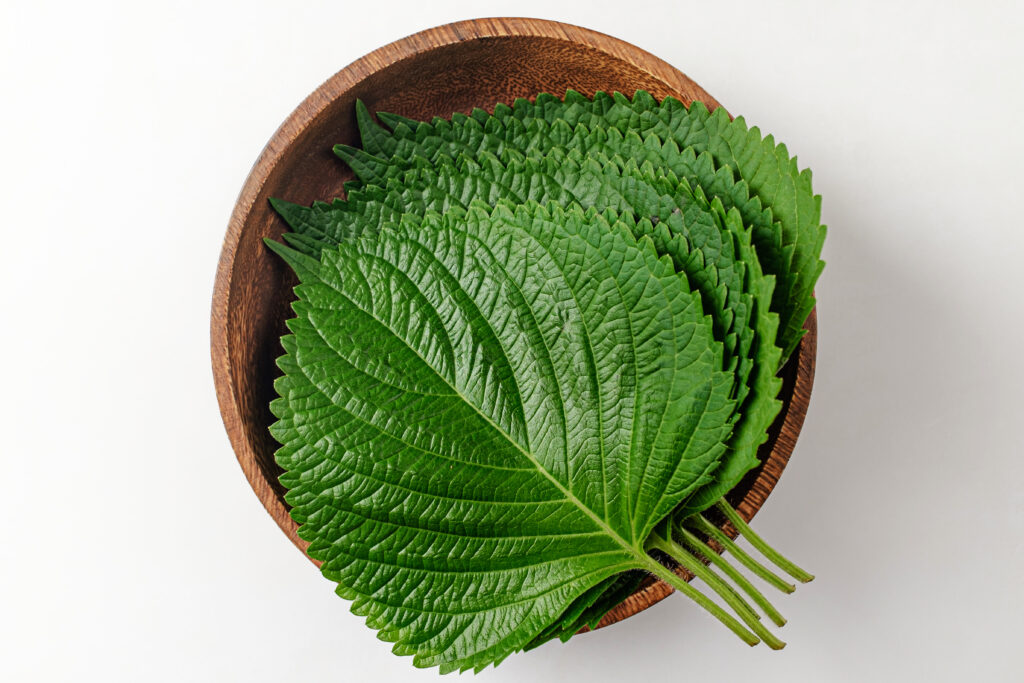
Perilla, a genus of herbaceous plants belonging to the mint family (Lamiaceae), has gained widespread recognition for its culinary, medicinal, and cultural significance. Native to East Asia, particularly China, Korea, Japan, and parts of India, perilla has been cultivated and revered for centuries. This remarkable plant, often referred to by various names like shiso (in Japan), kkaennip (in Korea), or simply Chinese basil, boasts an array of benefits that extend far beyond its flavorful leaves. Let’s delve into the history, uses, and potential benefits of perilla to better understand its versatility.
Historical and Cultural Significance
Perilla’s history is deeply intertwined with the culinary and medicinal traditions of East Asia. Ancient texts from China mention perilla as an essential remedy for respiratory and gastrointestinal ailments. Similarly, in Korean and Japanese cultures, perilla leaves are a staple in various traditional dishes and have long been valued for their aromatic and flavorful qualities.
The plant’s seeds were historically pressed for oil, which was used in cooking, lighting, and even painting. In some regions, perilla oil served as a protective coating for wooden utensils and as an ingredient in waterproofing materials.
Varieties of Perilla
Perilla comprises several varieties, with the two most notable being:
- Perilla frutescens (Shiso): This variety is prevalent in Japanese cuisine and comes in two main types:
- Red Shiso (Aka Shiso): Known for its deep reddish-purple hue, red shiso is used in pickling (such as making umeboshi), beverages, and natural food coloring.
- Green Shiso (Ao Shiso): Resembling basil in flavor, green shiso is commonly used as a garnish, in sushi rolls, or as a wrap for rice and meats.
- Perilla frutescens var. crispa (Kkaennip): This Korean variety is characterized by its larger, broader leaves and slightly spicy flavor. It is often used in wraps, stir-fries, and pickling.
Culinary Uses
Perilla leaves and seeds are celebrated for their unique flavor profile—a blend of mint, basil, and anise—making them an indispensable ingredient in various cuisines.
Leaves:
- In Japanese cuisine, perilla leaves are served with sashimi, added to tempura batter, or used in salads.
- In Korean cuisine, perilla leaves (kkaennip) are used as wraps for grilled meats (samgyeopsal) or pickled in soy sauce-based marinades.
Seeds:
- Perilla seeds are ground into a powder or paste to flavor soups, stews, and sauces. In Korean cooking, perilla seed powder is a key ingredient in dishes like perilla seed soup (deulkkae-tang).
- The seeds are also used to produce perilla oil, a nutrient-dense cooking oil with a nutty flavor.
Medicinal Benefits
Modern science has begun to validate many of the traditional medicinal uses of perilla. Some notable health benefits include:
- Rich in Omega-3 Fatty Acids:
- Perilla seeds are a rich source of alpha-linolenic acid (ALA), a type of omega-3 fatty acid that supports heart health, reduces inflammation, and promotes brain function.
- Anti-Inflammatory and Antioxidant Properties:
- The plant contains rosmarinic acid, which has potent anti-inflammatory and antioxidant effects, potentially aiding in reducing allergies and protecting against chronic diseases.
- Respiratory Health:
- Perilla is traditionally used to treat asthma and other respiratory conditions. Its compounds are believed to relax airway muscles and reduce inflammation in the lungs.
- Digestive Aid:
- The leaves and seeds are used to alleviate nausea, bloating, and indigestion.
- Skin Health:
- The oil extracted from perilla seeds is rich in vitamins and fatty acids that nourish the skin, reduce inflammation, and improve overall skin texture.
Cultivation and Sustainability
Perilla is a hardy plant that thrives in a variety of climates and soil conditions, making it an excellent crop for sustainable agriculture. Its rapid growth and ability to thrive without excessive chemical inputs contribute to its ecological benefits. Additionally, the plant’s attractiveness to pollinators like bees underscores its importance in maintaining biodiversity.
Conclusion
Perilla is far more than just an herb; it is a cultural emblem, a culinary treasure, and a medicinal powerhouse. Its unique flavor, health benefits, and versatility make it a staple in kitchens and medicine cabinets worldwide. Whether you’re savoring the bold taste of kkaennip wraps, enjoying the tangy kick of red shiso in a drink, or harnessing the nourishing properties of perilla oil for your skin, this remarkable plant proves to be a gift of nature worth celebrating.


